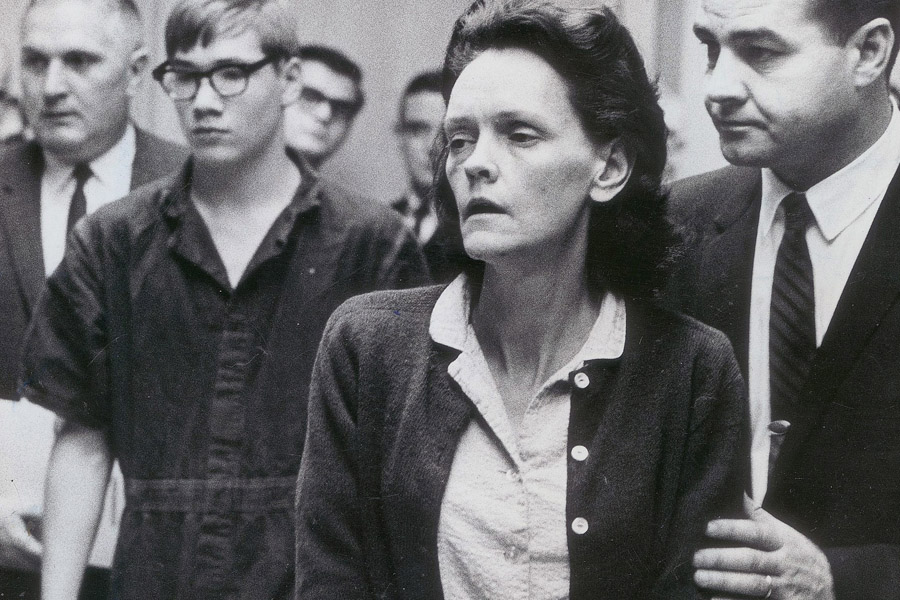
A life sketched in dates and shadows
Marie Suzann Baniszewski was born June 13, 1954, in Indianapolis. She died June 8, 2017, at age 62. Those two dates alone bracket a life that rarely appeared in headlines on its own — yet her name is tethered to one of the most notorious criminal cases in mid-20th century Indiana. She was eleven years old when the events that would define public memory of her family reached their tragic peak in 1965. After that, official records and later notices trace a quieter arc: foster placement, a legal surname change in the late 1960s, marriage, service in the U.S. Army, and a death notice in Indianapolis in June 2017.
Basic facts at a glance
| Field | Information |
|---|---|
| Full name (birth) | Marie Suzann Baniszewski |
| Other names | Marie Suzann Blake (legal name change in late 1960s), Marie S. Shelton (married name) |
| Date of birth | June 13, 1954 |
| Place of birth | Indianapolis, Marion County, Indiana |
| Date of death | June 8, 2017 |
| Age at death | 62 |
| Military service | U.S. Army (service noted in obituary) |
| Notability | One of the children of Gertrude Baniszewski; connected to the 1965 torture-murder case of Sylvia Likens |
| Parents | Gertrude Nadine (née Van Fossan) Baniszewski; John Stephan Baniszewski (father) |
| Number of siblings (household at time of case) | Seven children in the extended household |
Early life and the fracture of family
Marie’s earliest years unfolded on East New York Street in Indianapolis, in a house crowded with children and adults whose lives intertwined in ways that became public and painful. By 1965 she was 11. The summer and autumn of that year fractured the household: criminal charges, trials, and the dismantling of domestic arrangements followed. For a child, the aftermath meant foster care and, within a few years, a legal alteration of identity. The late 1960s brought a surname change to Blake for Marie and some of her siblings — administrative repairs after custody shifted back to their father. Identity, in those years, was something reissued on paper.
The 1965 case and the long echo
The events that compelled attention were not Marie’s actions; they were the actions prosecuted in and around the New York Street household. As a member of that household in 1965, Marie’s childhood became part of the public record. At age 11 she moved through the same months that lawyers, police, and newspapers would later compress into testimony and court transcripts. The household’s story was, and remains, a central strand in accounts of the crime; the personal lives bound to that story — including Marie’s — were largely left to private navigation afterward.
Identity, marriage, and service
Documents and notices carry a small number of concrete personal markers: a legal name change, at least one marriage (the surname Shelton appears in her obituary), and military service. The obituary that records her passing in June 2017 states she “served her country in the U.S. Army.” Rank, enlistment dates, discharge papers, and unit assignments do not appear in the publicly circulated summary. Those details exist, if at all, in government records or family archives; they are not part of the easily accessible public narrative. Still, the fact of Army service is a crisp counterpoint — a life that included formal service to the nation, beyond the long shadow cast by family history.
Family roster (names and brief notes)
| Relation | Name | Born / Died (as publicly recorded) | Brief note |
|---|---|---|---|
| Mother | Gertrude Nadine Baniszewski | 1928–1990 | Central defendant in the 1965 case |
| Father | John Stephan Baniszewski | 1926–2007 | Biological father; later regained custody of some children |
| Sibling | Paula Marie Baniszewski | b. 1948 | Oldest daughter; served prison term, later assumed new identity |
| Sibling | Stephanie K. Baniszewski | b. ~1950 | Cooperated with prosecution; later lived under another name |
| Sibling | John S. Baniszewski Jr. | b. ~1953 | Convicted of manslaughter; later records show surname Blake |
| Sibling | Marie Suzann Baniszewski | 1954–2017 | Subject of this article |
| Sibling | Shirley Baniszewski | b. ~1955 | Placed in foster care after arrests |
| Sibling | James (Jimmy) R. Baniszewski | b. ~1956 | Foster placements and later records limited |
| Sibling | Dennis Lee (adopted surname) | b. 1964–d. 2012 | Youngest; later adopted under a different surname |
Timeline: key dates and numbers
| Year | Age | Event |
|---|---|---|
| 1954 | 0 | Marie born June 13 in Indianapolis |
| 1965 | 11 | Household events culminating in October lead to arrests and trials |
| Late 1960s | 14–16 | Foster placements; legal surname change to Blake for Marie and some siblings |
| (undated) | — | Marriage, later recorded under surname Shelton |
| (undated) | — | Military service in the U.S. Army (dates not publicly listed) |
| 2017 | 62 | Marie S. Shelton dies June 8 in Indianapolis |
What the public record keeps and what it omits
Paper preserves certain facts: birth certificates, name changes, obituary dates. It also leaves long gaps. For Marie, the public ledger contains the structural points — birth, placement, name changes, marriage surname, military service claim, death — and few of the rich interior details of a life: no long interviews, no sustained press profiles, no public memoir. The void is as informative as a line of numbers. To look only at the roster is to read the skeleton; to understand the living person would require the private testimonies that public notice rarely includes.
The texture of later life: a few solid lines
In public perception, Marie’s identity is often refracted through the prism of the case that touched her childhood. Yet the later lines — service in the Army, marriage, residence and death in Indianapolis — suggest a life that moved beyond the single story printed in court reports. There are numbers: seven children in the household; 11 years old in October 1965; 62 years at death. There are administrative acts: a legal surname change, a marriage registration, an obituary. Those items, dry in isolation, assemble like threads. They do not retell the whole life, but they do show that a person continued to write a life after the most public chapter closed.